
The Challenge of AI in Medical Education
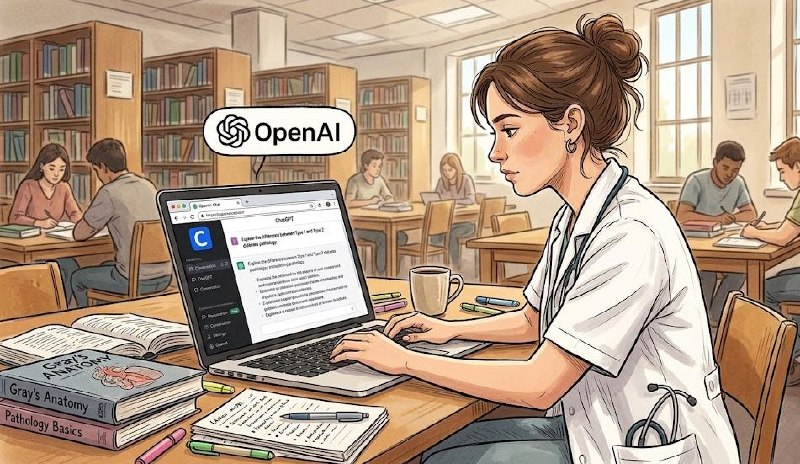
Generative AI offers powerful capabilities for medical training, from generating patient cases to streamlining research. However, educators like Dara Cassidy at RCSI University of Medicine and Health Sciences warn that introducing these tools too early can undermine the critical thinking skills essential for clinical practice. Students must first understand what AI is, how it works, and its limitations before learning to use it effectively. This includes grasping the ethical and legal implications of AI in healthcare, evaluating outputs for accuracy and bias, and recognizing the significant environmental impact of the cloud infrastructure that powers these systems.
Strategies for Building AI Literacy
Cassidy recommends several evidence-based approaches for integrating AI into medical curricula. Educators should make reasoning processes explicit and teach hypothesis testing before allowing students to consult AI tools. They must help learners distinguish between AI use that supports critical thinking and use that bypasses it. Creating opportunities for students to interrogate AI outputs for bias and hallucination is crucial, as is promoting a think first approach where AI provides feedback rather than completing the work. Scaffolding metacognition through structured reflection helps students develop evaluative judgment.
The Human in the Loop
The concept of human in the loop is central to many healthcare AI regulations, but that human is only effective if properly prepared. Future doctors need to recognize different types of AI used in clinical settings, question biased datasets, and communicate with patients who arrive with chatbot generated diagnoses. They must develop the confidence to overrule AI recommendations when appropriate, which requires strong clinical skills and the ability to deal with ambiguity. The goal is not to avoid AI but to ensure clinicians can use it responsibly while maintaining their own diagnostic and decision making abilities.