
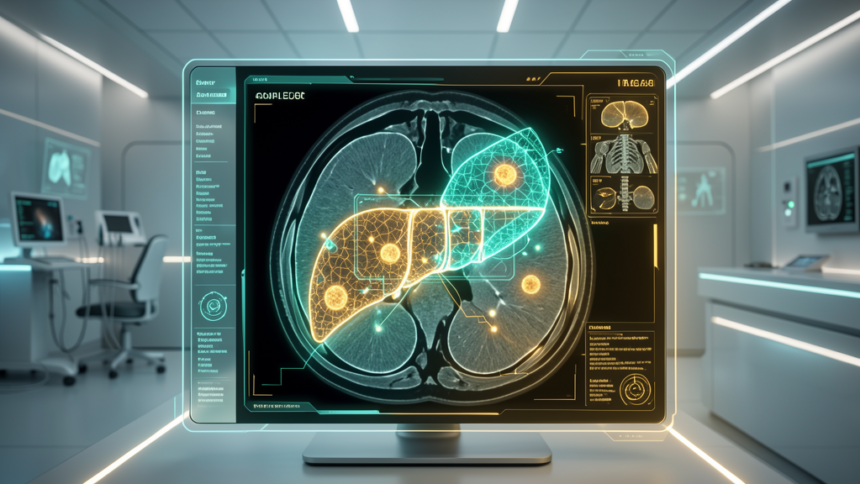
A new CT-based artificial intelligence model called DeepCT-MTM can noninvasively predict the macrotrabecular-massive subtype of hepatocellular carcinoma, one of the most aggressive forms of liver cancer, according to a multicenter study in Nature involving more than 3,100 patients across 20 hospitals.
The MTM subtype of HCC is associated with poor prognosis and aggressive tumor biology, but identifying it currently requires a tissue biopsy. The DeepCT-MTM model was developed and validated on 832 patients with early-stage HCC and then tested prospectively across the remaining patient cohort.
The AI achieved high accuracy in distinguishing MTM-HCC from other subtypes using standard contrast-enhanced CT scans. Critically, the model also informed treatment selection: patients predicted to have MTM-HCC by the AI showed significantly better outcomes with surgical resection than with other treatments.
Beyond prediction, the researchers investigated the biological underpinnings of the AI model, linking its imaging features to underlying genomic and transcriptomic signatures of aggressive disease. This connection between radiological AI predictions and tumor biology represents a step toward imaging-based precision oncology.
The multicenter design and prospective validation make this one of the most robust clinical AI studies to date in liver cancer imaging. If replicated, DeepCT-MTM could reduce the need for invasive biopsies and improve treatment selection for the hundreds of thousands of patients diagnosed with HCC each year.