
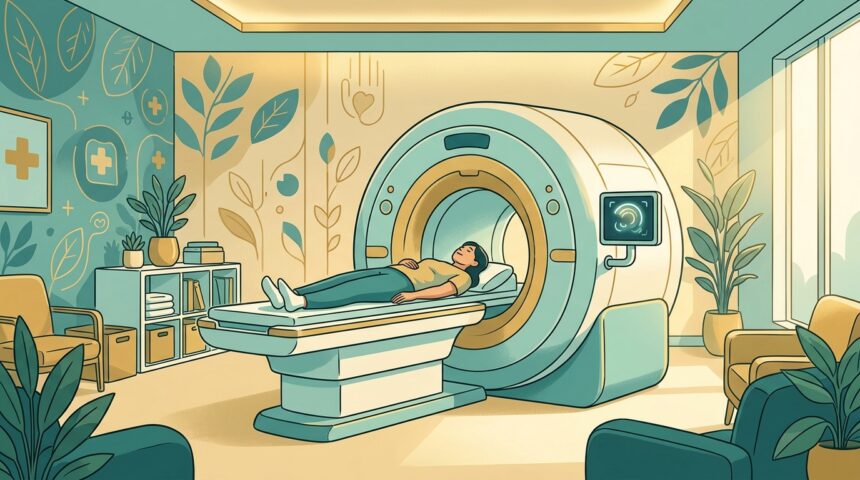
Adialante is working to make MRI-based cancer screening accessible beyond the major hospital centers where scanners are concentrated today. MRI machines are expensive to install and operate, which keeps them out of community clinics, rural hospitals, and much of the developing world. That gap in access means cancers are often caught later than they should be, when treatment is harder and outcomes are worse, and it falls hardest on the same communities that already face the worst cancer outcomes. Closing that gap is as much an engineering problem as a clinical one, and it is the problem Adialante was built around.
The company’s approach is about shrinking the barriers around MRI-based screening: simpler deployment, lower operating costs, and workflows that community providers can actually run. The goal is to move advanced screening from a referral-only service toward something closer to routine preventive care, catching tumors at stages where treatment is more effective and less expensive. That also means designing for the operators, not just the radiologists: technologists who can run the system, support staff who can maintain it, and patients who can get a scan without traveling for hours.
Adialante sits in the healthcare AI cohort of Robinhood Ventures Fund II, a portfolio of more than 80 startups backed with $250K SAFEs and heavy Y Combinator sourcing. The fund is set to begin trading on the NYSE under the ticker RVII on August 13, giving retail investors a look at early bets in accessible diagnostics and AI-driven medicine, from imaging hardware to clinical software. Adialante’s focus on distribution as much as technology makes it a useful test of whether AI imaging can reach beyond the flagship hospital and into the communities that need it most.