
A new venture from Mayo Clinic and Thermo Fisher Scientific wants to catch illness years earlier than a diagnosis does today.
The company is called Precure, LLC. Its aim is a biomedical dataset built by combining protein, genetic and long-term clinical measurements taken from the same people over time. Thermo Fisher is the founding partner, and terms were not disclosed.
The premise is timing. Many diseases begin biologically years before symptoms drive a diagnosis, and today’s care catches them late. Linking molecular measurements to clinical history aims to expose the earliest detectable changes.
What the data is for
The venture is framed as infrastructure rather than a single test. Sharper early signals could improve diagnostics, open new drug targets and support earlier intervention in cancer, cardiometabolic disease and other conditions.
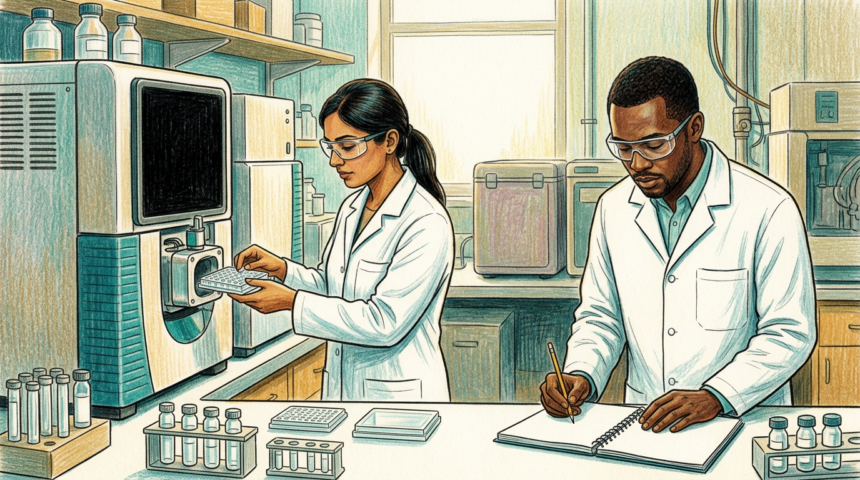
Mayo brings biobanking and clinical cohorts. Thermo Fisher brings mass spectrometry, sequencing and assay platforms, the instrument layer that generates proteomic measurements at scale. That pairing addresses the practical bottleneck in multi-omics, which is not analysis but producing consistent data across large populations.
Why it matters
Proteomic screening has moved from concept to commercial test in recent years, and models trained on longitudinal molecular data have started predicting disease years ahead. Precure’s value will hinge on whether its dataset is deep enough, and standardized enough, for those models to learn from reliably.