


Deception Technology and Its Role in Threat Detection
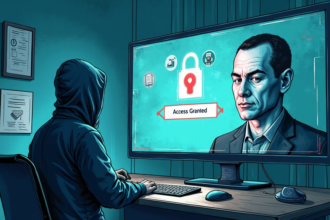
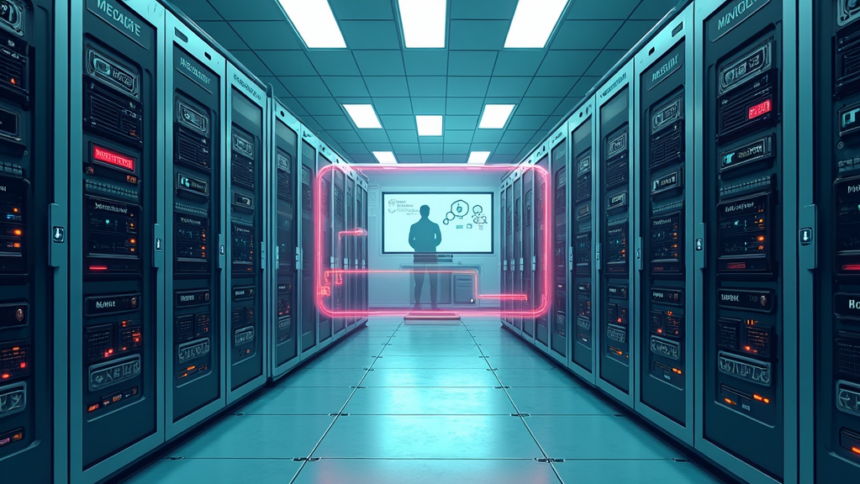
Modern cybersecurity defense is shifting from purely reactive measures to proactive strategies that anticipate and misdirect attackers. Deception technology creates realistic decoys such as fake servers, credentials, and network segments that lure threat actors away from real assets. When an attacker interacts with these decoys, security teams receive an early warning, enabling them to contain the breach before critical data is compromised. In healthcare environments, where patient data and operational continuity are paramount, deception techniques help detect both external attackers and insider threats early in the attack lifecycle.
Predictive Analytics and Automated Response
Artificial intelligence and predictive threat analysis are becoming essential for healthcare organizations facing sophisticated attacks. By analyzing patterns of normal network behavior, AI models can flag anomalies that indicate lateral movement or credential theft. Coupled with microsegmentation, which isolates sensitive systems like electronic health records and medical devices, organizations can limit the blast radius of any intrusion. Automated response systems then take immediate action, such as blocking suspicious IPs or isolating compromised endpoints, without waiting for human intervention.
Addressing the Cybersecurity Poverty Line
Many healthcare entities struggle with limited budgets and resources, a gap often described as the cybersecurity poverty line. Organizations above this line can invest in advanced tools like deception platforms, while those below rely on basic defenses. However, even smaller providers can adopt cost effective deception solutions that integrate with existing security stacks. By leveraging open source tools and cloud based services, healthcare organizations can raise their security posture and better protect against identity based attacks and ransomware, without requiring a massive budget.
Source: Healthcareinfosecurity