


Why Deception Matters in Healthcare
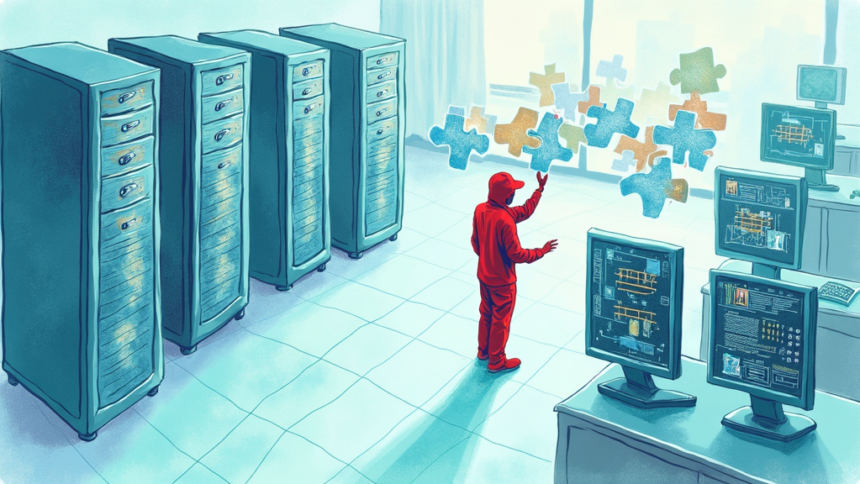
Healthcare organizations face a growing wave of identity focused attacks, with threat actors increasingly targeting on premise and cloud hosted Active Directory environments. Deception technology offers a proactive defense by deploying decoys and traps that mimic real assets, luring attackers away from critical systems. This approach not only detects breaches early but also buys security teams valuable time to respond before data exfiltration occurs.
Impact and Scope
Insider threats have surged 44% over the past two years, affecting everything from temporary workers to IT administrators. Deception tools can halt attackers at every stage of an intrusion, from initial access to lateral movement. By integrating with predictive threat analysis and automated response, healthcare entities can move beyond the cybersecurity poverty line and achieve stronger defenses without massive budgets.
Real World Adoption
Major vendors like Palo Alto Networks and Proofpoint are investing heavily in deception capabilities, with Proofpoint acquiring the deception firm Illusive to bolster identity risk discovery. The Defense Department’s updated cyber strategy also emphasizes disrupting malicious actors and protecting critical infrastructure, signaling a broader shift toward active defense. For healthcare, deploying deception technology is no longer optional but a strategic necessity.
Source: Healthcareinfosecurity