



Expanding the Defensive Perimeter
The software supply chain is under increasing pressure from sophisticated attacks targeting open-source repositories, developer tools, and AI-driven workflows. Recent events highlight a shift in focus beyond traditional code dependencies. Socket’s acquisition of Secure Annex, for example, broadens supply-chain security monitoring to include browser extensions and IDE plugins, addressing blind spots created by modern, AI-assisted development environments. Similarly, Cloudsmith’s $72 million Series C funding underscores the growing demand for real-time package risk analysis and policy enforcement as organizations scramble to secure artifact provenance.
Mounting Threats from Multiple Vectors
Threat actors are actively exploiting these expanded attack surfaces. A recent supply-chain attack backdoored versions of the popular Axios JavaScript library, distributing a cross-platform remote access Trojan through compromised code. Experts warn that identifying the full scope of such compromises can take time, as malicious code can linger in downstream dependencies. In healthcare, the Health Sector Coordinating Council released guidance to help organizations manage the explosion of third-party AI vendor risks, while a high-severity vulnerability in the Grassroots DICOM library (CVE-2026-XXXXX, referenced at cve.org) exposed medical imaging systems to denial-of-service attacks. These incidents demonstrate that both proprietary and open-source components across all industries require vigilant, continuous monitoring.
Geopolitical and Strategic Implications
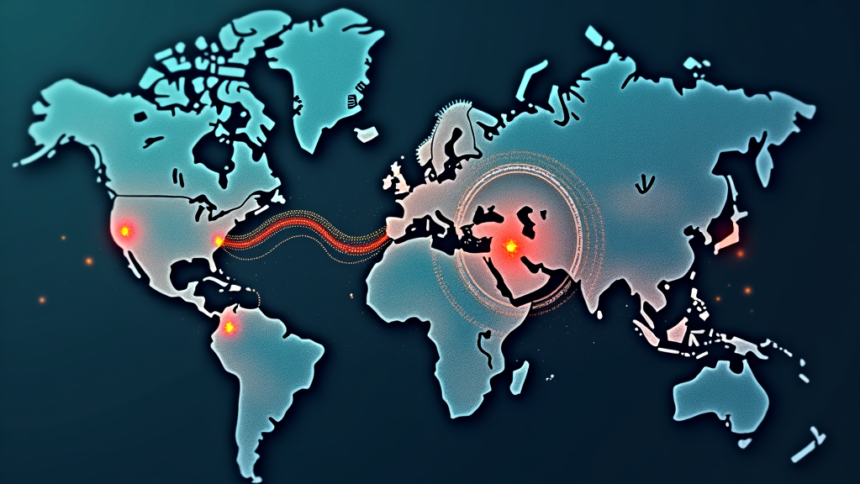
The convergence of cyber and kinetic warfare is amplifying supply chain vulnerabilities. State-sponsored hacktivists are increasingly targeting critical infrastructure, and geopolitical crises, such as the Strait of Hormuz disruption, are creating hardware supply crunches for AI-specific memory chips. Industry leaders emphasize that organizations must move beyond basic code integrity checks. Rob Knake of TPO Group and Edna Conway of EMC Advisors note that hardware-based supply chain threats introduce deeper, harder to detect risks, as gaps in validation and identity controls widen systemic exposure. The consensus is clear: comprehensive third-party risk management must now encompass everything from open-source libraries and AI models to geopolitics and hardware provenance.
Source: Healthcareinfosecurity