


By using this site, you agree to the Privacy Policy and Terms of Use.
Accept
MedsparkMedsparkMedspark
  • Home
  • News & Alerts
    News & AlertsShow More
    Pennsylvania Targets AI Chatbots That Pose as Licensed Doctors
    By
    msadmin
    M42 and GE HealthCare Partner to Advance AI-Driven Smart Healthcare in the UAE
    By
    Yu Chi Huang
    HL7 Launches Dedicated AI Office to Drive Global Standards for Ethical Healthcare Innovation
    By
    Yu Chi Huang
    Optibrium Secures Strategic Financing From Shawbrook to Accelerate Global Drug Discovery Innovation
    By
    Yu Chi Huang
    Ohio’s Southwest General Adopts AI to Streamline Patient Engagement and Reduce Administrative Burden
    By
    Yu Chi Huang
  • Spotlight
    SpotlightShow More
    Medow Health AI Launches Real-Time AI Scribe in Singapore to Boost Clinical Efficiency
    By
    Yu Chi Huang
    LogicFlo AI Raises $2.7M to Accelerate AI Agent Adoption in Life Sciences
    By
    Yu Chi Huang
    Health-ISAC Heartbeat Flags Rising Ransomware and VPN Exploits Targeting Healthcare Systems
    By
    Yu Chi Huang
    Global Study Finds Trust and Demographics Key to Patient Acceptance of AI in Healthcare
    By
    Yu Chi Huang
    How AI is Revolutionizing Digital Identity Verification in Healthcare Cybersecurity
    By
    Yu Chi Huang
  • Articles
    ArticlesShow More
    EY Expert Urges Healthcare Leaders to Double Down on AI Amid Economic Uncertainty
    By
    Yu Chi Huang
    Google Unveils Open-Source Medical AI Models That See, Read, and Assist Like Real Clinicians
    By
    Yu Chi Huang
    AI Boosts Radiologist Accuracy in Breast Cancer Screening Without Slowing Workflow
    By
    Yu Chi Huang
    NHS Unveils Radical 10-Year AI-Driven Plan to Transform Healthcare Delivery
    By
    Yu Chi Huang
    BD Bets on AI and Connected Care in High-Stakes MedTech Transformation Under New Leadership
    By
    Yu Chi Huang
  • Events
    EventsShow More
    Cleveland Clinic’s First AI Summit Signals Bold Future for Healthcare
    By
    msadmin
    Experts Urge Cautious Adoption of Agentic AI in Healthcare Workflows at HIMSS AI Forum
    By
    Yu Chi Huang
    New Zealand Accelerates Healthcare Innovation With AI and 24/7 Virtual Care Services
    By
    Yu Chi Huang
    UK’s Brightest AI4Health Researchers Shine at National Doctoral Conference in York
    By
    msadmin
    Cairo to Host Africa’s First AI Healthcare Conference, Marking a Major Leap in Digital Health Innovation
    By
    msadmin
  • About
    • Mission
    • Services
    • Contact
Font ResizerAa
MedsparkMedspark
Font ResizerAa
  • Home
  • News & Alerts
  • Spotlight
  • Articles
  • Events
  • About
  • Quick Links
    • Home
    • News & Alerts
    • Spotlight
    • Articles
    • Events
  • About MedSpark
    • Our Purpose & Vision
    • Services
    • Contact
Follow US
Uncategorized

The Erosion of SMS Authentication in Financial Fraud Prevention

MSAdmin
Last updated: May 8, 2026 3:03 am
By
msadmin
MSAdmin
Bymsadmin
MedTech AI & Cybersecurity News
Follow:
Share
2 Min Read
SHARE

The Fading Reliability of One-Time Passcodes

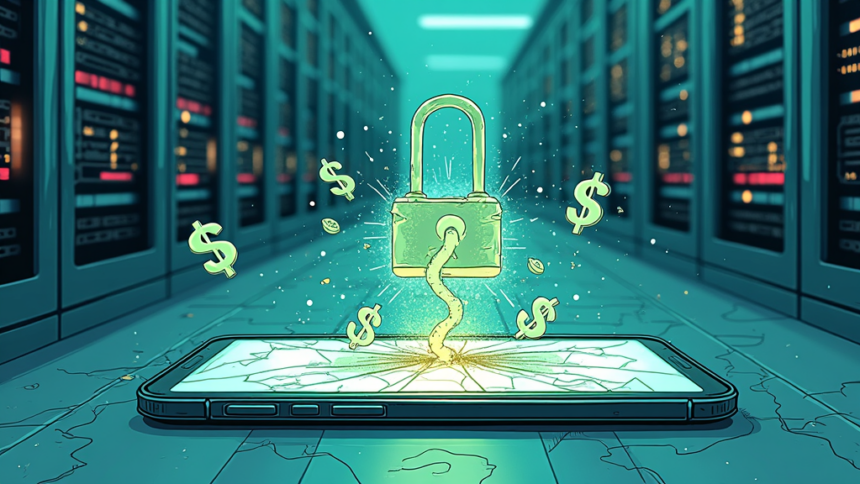
Financial institutions have long relied on one-time passcodes (OTPs) as a primary authentication control, particularly through SMS verification. However, this method is becoming increasingly unreliable. Fraudsters now exploit weaknesses in SMS-based verification to carry out account takeover and payment fraud schemes, bypassing what was once considered a standard security checkpoint. The rise of AI driven tactics, combined with automation and human manipulation, allows attackers to target identity verification gaps, recovery workflows, and authentication processes rather than simply cracking passwords.

Contents
The Fading Reliability of One-Time PasscodesThe Evolution of Account Takeover Tactics

The Evolution of Account Takeover Tactics

Instead of luring victims into authorized transactions, cybercriminals are now bypassing victims entirely. They hijack digital identities and drain accounts from within. Attackers stick to the basics because the basics work. Synthetic identities, fake accounts, and tried and tested account takeovers remain effective, even in an age of advanced AI threats. Scammers are happy to keep stealing the old fashioned way. Notable examples include the New Godfather malware, which copies and pastes real mobile banking apps into a virtual environment on infected smartphones, marking a significant leap in mobile threat capabilities. Meanwhile, governments globally are intensifying anti-scam measures, introducing new guidelines to banks and telecom providers with penalties for non-compliance. Related vulnerabilities such as CVE-2023-38545 and CVE-2024-24787 have been linked to credential theft and session hijacking in browser and application contexts.

Source: Healthcareinfosecurity
TAGGED:Account TakeoverCVE-2023-38545CVE-2024-24787Financial FraudMobile MalwareSMS Authentication
Share This Article
Facebook Copy Link Print
MSAdmin
Bymsadmin
Follow:
MedTech AI & Cybersecurity News
Leave a Comment Leave a Comment

Leave a Reply Cancel reply

Your email address will not be published. Required fields are marked *

You Might Also Like

Uncategorized

The New Battlefield: Combating AI Powered Identity Attacks

By
msadmin
Uncategorized

The Shifting Landscape of AI and Cloud Security

By
msadmin
Uncategorized

Navigating the Expanding Frontier of Third Party and Supply Chain Risk

By
msadmin

Building a Culture of HIPAA Compliance: A Practical Guide for 2026

By
msadmin
Facebook Twitter Youtube Linkedin
Quick Links
  • News & Alerts
  • Articles
  • Spotlight
  • Events
About Medspark
  • Mission
  • Services
  • Contact

Subscribe to the MedSpark AI newsletter

Sign up now and don’t miss a single healthcare and medical AI update.

© Copyright 2025 MedSpark. All rights reserved.

Privacy Policy | Legal