


The Role of Deception in Modern Cyber Defense
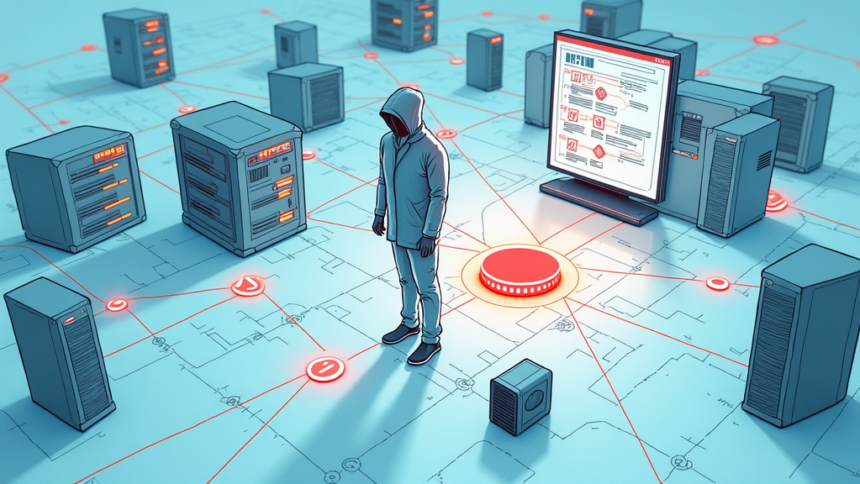
Deception technology is emerging as a powerful strategy for healthcare organizations facing sophisticated identity based attacks. By deploying decoys and lures that mimic real assets, security teams can detect threat actors early in the attack chain, often before any actual damage occurs. This approach shifts the advantage back to defenders, forcing attackers to reveal themselves while navigating a network of traps.
For healthcare entities, where patient data and critical systems are high value targets, deception provides a proactive layer of defense. It complements traditional detection tools by focusing on attacker behavior rather than known signatures, making it effective against both external hackers and insider threats, which have risen sharply in recent years.
Bridging the Cybersecurity Poverty Line
Many healthcare organizations operate below the cybersecurity poverty line, lacking the budget and staff for advanced defenses. However, modern deception solutions are becoming more accessible even for smaller providers. These technologies can be deployed alongside existing infrastructure without requiring a complete overhaul of security architecture.
Microsegmentation and automated response further strengthen the defensive posture. By isolating sensitive systems and automatically triggering countermeasures when a decoy is triggered, organizations can contain breaches rapidly. This layered approach helps healthcare entities make the most of limited resources while maintaining regulatory compliance and protecting patient safety.
Validating What Matters Amid Growing Threats
As vulnerability discovery accelerates, the real challenge is not finding more flaws but validating which ones pose genuine risk. Healthcare security teams are increasingly turning to agentic validation techniques to prioritize remediation efforts. This means focusing on exploitable vulnerabilities in critical clinical and administrative systems rather than drowning in a sea of unverified alerts.
Predictive threat analysis combined with deception can highlight the attack paths most likely to be used against a specific healthcare environment. By combining intelligence with active defense, organizations can stay ahead of adversaries even as exploit windows shrink. Ultimately, the goal is to reduce noise and fix what matters first, ensuring resilience against both current threats and emerging ones like AI driven attacks.
Source: Healthcareinfosecurity