


The Rise of Sophisticated Phishing Attacks
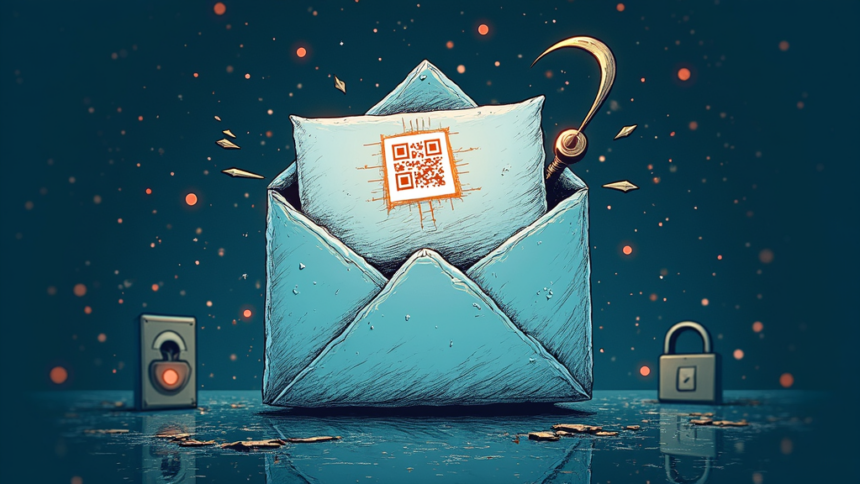
Phishing attacks have evolved far beyond simple deceptive emails. Cybercriminals now leverage artificial intelligence to craft highly targeted and personalized messages that bypass traditional security filters. AI-powered tools like FraudGPT and WormGPT allow even less skilled attackers to launch precise social engineering campaigns. Techniques such as QR code phishing, where 25% of email attacks now exploit scanned codes, and session hijacking kits like Astaroth that bypass two-factor authentication, demonstrate the growing sophistication of threats.
Impact on Healthcare and Financial Sectors
The healthcare industry remains particularly vulnerable due to legacy systems, supply chain weaknesses, and limited budgets. A regional health network recently agreed to pay $600,000 to settle HIPAA violations after a 2019 phishing breach exposed patient data. Financial institutions face similar pressures as one-time passcodes become less reliable against SMS interception and account takeover fraud. Meanwhile, Chinese state aligned hackers have intensified spear-phishing campaigns targeting Taiwan’s semiconductor ecosystem, showing how phishing now serves geopolitical espionage goals.
Defensive Strategies and Platform Integration
Organizations are responding by integrating security across email, browsers, and collaboration tools. The acquisition of Inky by Kaseya reflects a push for broader platform integration in email security, where access to login data and other signals improves threat detection. Experts emphasize that while AI is not creating entirely new threats, it amplifies existing ones. Effective defense requires balancing AI’s potential with proper governance, as global cybersecurity spending is projected to reach $135 billion by 2030. Human-centric approaches, including training and psychology based defenses, are also critical to countering attackers who exploit emotion and urgency at scale.
Source: Healthcareinfosecurity