

AI’s Expanding Role in Healthcare
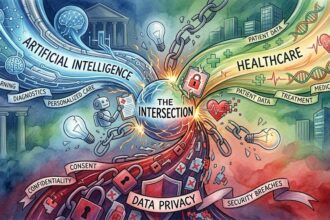
Artificial intelligence is rapidly reshaping healthcare, from accelerating drug discovery to improving care delivery and streamlining claims processing. Advanced AI models can analyze vast datasets to identify viable drug compounds, predict treatment outcomes, and enhance clinical research. AI is also becoming embedded in digital therapeutics and behavioral health tools, offering personalized treatment guidance and expanding access to care. Consumer-facing AI health assistants and chatbots are increasingly helping individuals navigate symptoms and benefits in real time. These innovations promise greater efficiency and better patient outcomes for self-funded plans and healthcare organizations.
Regulatory Gaps and State Level Action
While AI technology advances quickly, the legal framework governing its use in healthcare remains fragmented. Federal comprehensive AI regulation is still nascent, prompting many states to enact their own laws. These state regulations often focus on claims adjudication, clinical decision support, and chatbot transparency. A common requirement is that AI may support decision making but cannot replace human oversight. For example, some states restrict using AI as the sole basis for adverse benefit determinations and demand transparency when AI is used in claims processing. This patchwork of rules creates compliance challenges for healthcare entities operating across multiple states.
Managing Fiduciary Risk and Enforcement Exposure
The use of AI introduces new liability risks under existing laws like the False Claims Act, especially when AI drives care delivery, documentation, or claims decisions. Regulators are already pursuing cases involving AI enabled fraud. Meanwhile, federal agencies such as CMS and the Department of Justice are themselves deploying AI to detect fraud and waste. For plan sponsors and administrators, over reliance on automated systems for benefit determinations could violate ERISA fiduciary duties, which require prudent, participant focused decision making. The emerging regulatory trend is clear: meaningful human involvement must remain central. Health organizations should implement internal oversight structures, monitor AI outputs for accuracy and bias, ensure transparency, and align operations with evolving state and federal expectations. Proactive governance, not avoidance, is the path forward.
Source: Healthitanswers