
The Workflow Reality for Radiologists
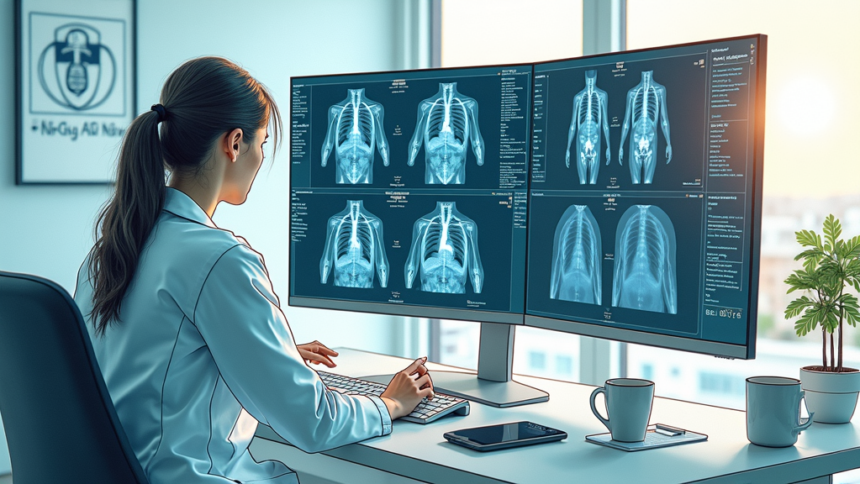
Radiologists operate in a complex digital environment, juggling PACS, report dictation software, EHRs, and Radiology Information Systems across multiple monitors. AI tools that demand opening a separate browser or application introduce friction, adding extra clicks and cognitive strain. Popup widgets that clutter diagnostic views further disrupt concentration, undermining the very efficiency AI promises.
Hidden Risks of Non-Integrated AI
Standalone AI tools pose clinical risks beyond workflow disruption. Some generate static PDF reports that remain permanently in patient files even when the radiologist disagrees with the finding, creating confusion in the health record. Tools designed to prioritize urgent cases may work in a common worklist but fail in emergency departments where nearly every case is urgent. Additionally, research shows imaging AI accuracy drops when applied to new datasets due to population differences—underscoring the need for secure methods to incorporate local data for customized training.
The Path Forward: Integration-First Design
Successful AI tools function as intuitive layers on top of existing PACS, sending measurements and notes directly into reports. Some PACS developers are now embedding AI directly into their platforms. AI foundry tools can accelerate HIPAA compliance and validation, allowing developers to focus on seamless workflow integration. The critical question every developer must ask: “Would a radiologist actually use this?”