
The FDA’s drive to reduce animal testing in drug development has coincided with a boom in AI-powered biosimulation techniques, according to a new analysis in Nature Biotechnology published July 14.
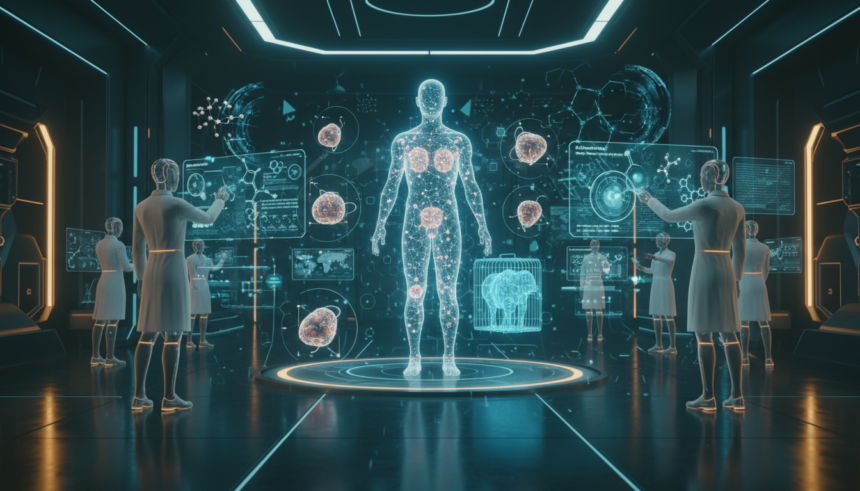
Multi-agent virtual scientists, digital twins, and AI-enhanced organoids are rapidly gaining traction as alternatives to traditional animal models. These approaches promise to accelerate drug development while potentially improving predictive accuracy for human outcomes.
The convergence is timely. The FDA has been actively pushing to modernize its drug testing frameworks, and the agency’s alternative methods working group has signaled willingness to accept non-animal data under certain conditions. AI-powered biosimulation fits squarely into that vision, offering computational models that can simulate human biology at unprecedented scale.
Key techniques highlighted in the Nature analysis include multi-agent AI systems that act as virtual research teams exploring drug mechanisms, digital twin models that simulate individual patient physiology, and organoid systems that use AI to ramp up their predictive power by analyzing complex biological data that would overwhelm traditional statistical methods.
However, the shift to animal-free drug testing will take time. Regulators need to validate these new methods, industry needs to invest in the infrastructure, and scientific consensus must build around what constitutes sufficient evidence. The Nature analysis notes that while enthusiasm is high, a full transition will require coordinated effort across regulators, pharmaceutical companies and technology providers.