
At least nine repurposed compounds have emerged as protectors of human brain cells in a lab model of Sanfilippo syndrome, a leading cause of childhood dementia. A screening effort paired with machine learning surfaced the candidates.
Scientists at the South Australian Health and Medical Research Institute and Flinders University built cortical cultures from induced pluripotent stem cells donated by children with mucopolysaccharidosis type IIIA. The cultures reproduced hallmarks of the disease, including lysosomal dysfunction, buildup of heparan sulfate, progressive neurodegeneration and astrocytic reactivity.
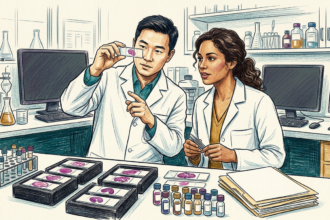
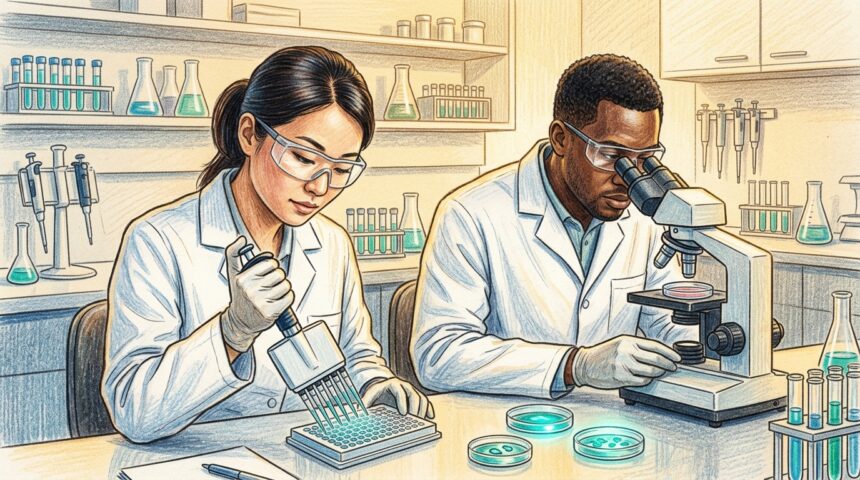
The team then ran a multimodal screening platform that combined high-content confocal imaging, single-nucleus transcriptomics and electrophysiology, with machine learning integrating the readouts. Nine repurposed compounds significantly reversed the disease-related defects within two weeks of treatment in vitro, according to the paper published Aug 20 in Nature Communications.
Childhood dementias are rare, but they share mechanisms with adult forms of the disease, including faulty protein handling and energy failure. The authors argue the human-cell platform offers a faster route to clinical testing than traditional animal-first pipelines, and that the same interrogation strategy could extend to the broader neurodegenerative spectrum.
Repurposing already-approved drugs matters for families facing a disease with no cure, because safety data exists and trials can move more quickly.