
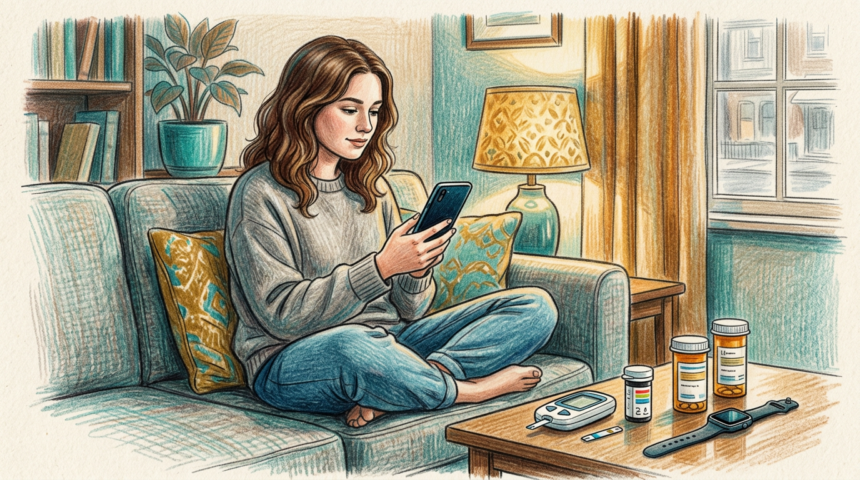
Consumer AI is quietly becoming a parallel medical system, and two Harvard-affiliated physicians argue the trend deserves more scrutiny.
In a First Opinion essay for STAT, Arya Rao, an MD-PhD candidate at Harvard Medical School and MIT, and Marc Succi, a Mass General Brigham radiologist, note that more than 40 million Americans ask ChatGPT a health question every day. Most of those conversations happen outside clinic hours, and most end with the user acting on the answer alone.
They cite a study published this year showing medical disclaimers have largely disappeared from chatbot health responses. Leading models now ask follow-up questions and attempt diagnoses instead of steering users toward care pathways. The market is filling the gap: Oura sells a 50-biomarker blood panel through Quest Diagnostics for $99. Function Health, valued at $2.5B, lets members order 160 lab tests a year, schedule full-body MRIs, and authorize ChatGPT to interpret results. Ro and Hims write prescriptions after asynchronous intakes, and Doctronic, self-described as the world’s number one AI doctor, has run 24 million consultations.
The authors argue clinical medicine is becoming a set of consumer products patients assemble on their own, with little regulatory oversight or clinician involvement. They stop short of calling for bans, but warn the safety net of professional review is eroding just as these tools scale. The essay is an opinion piece, not peer-reviewed research.