
A South Korean diagnostics firm is placing its AI malaria readers inside Benin’s national control program. Noul beat other bidders in a health ministry procurement and will ship 20 miLab MAL systems to referral hospitals that see the most severe cases.
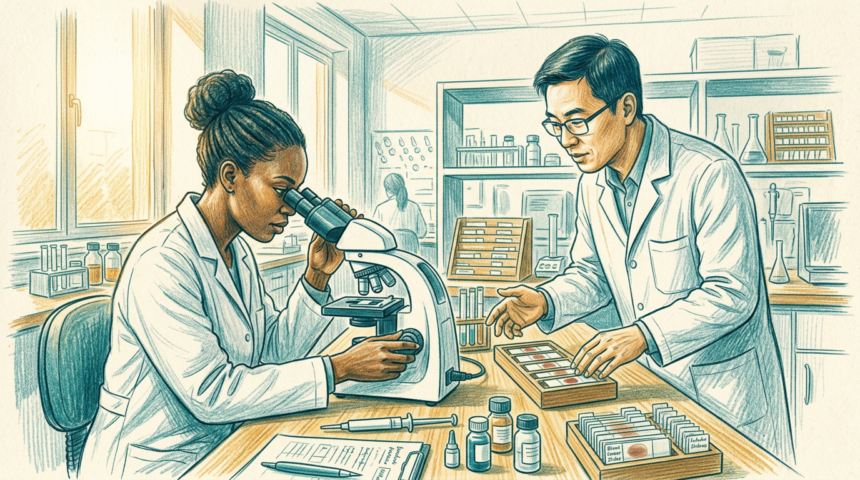
miLab MAL automates the search for parasites in blood smears, turning slides into digital images that its AI classifies. Noul put the system through a 2025 Benin study that enrolled 211 children with suspected severe malaria. Sensitivity came in at 98.82 percent against manual microscopy, with specificity at 100 percent. Reads completed in minutes rather than the hour-plus typical of manual review.
The agency that runs Benin’s anti-malaria push has separately endorsed the platform for frontline clinics across Africa. The procurement is a step up from hospital-level pilots to national infrastructure.
The stakes are high. Noul cites World Health Organization estimates of roughly 5.1 million malaria cases and 9,900 deaths in Benin in 2024. Automated, fast microscopy could help shrink that burden where trained microscopists are scarce, and the tender gives the Korean company a flagship reference for the rest of the continent.