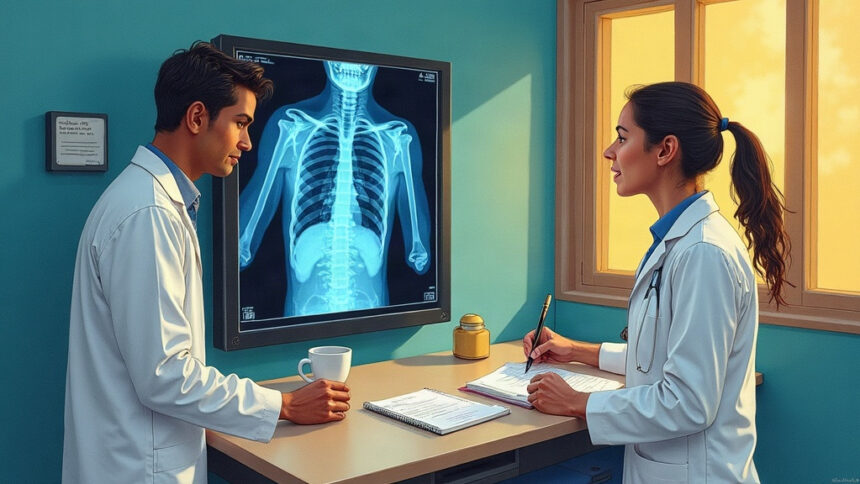
Radiologists in rural and small-town India often work without imaging AI built on patients like the ones in front of them, which is the gap a new research agreement aims to close. A research and development deal in AI-based medical imaging has been signed by Aarthi Scans & Labs, the Chennai-based diagnostic provider, and Ashoka University’s Koita Centre for Digital Health. Models trained on Indian data, validated in Indian clinical settings, are the shared objective.
Representativeness is the target. Radiology algorithms are mostly trained on datasets drawn from high-income health systems, and their accuracy is seldom checked against Indian patients, scanners or scanning protocols. De-identified imaging records will flow through a secure pipeline the two partners are building, kept inside the bounds of ethics approvals and Indian data protection law. Models are then benchmarked for accuracy and fairness across a patient population and equipment base as varied as the country itself.
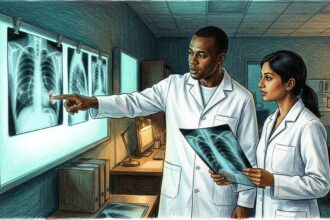
Chest X-rays come first, as the most frequently performed imaging study in India. Research teams will train and validate an open-source chest X-ray model and release it to hospitals, researchers and startups for further testing and development. Arunkumar Govindarajan, a radiologist and executive director at Aarthi Scans & Labs, framed the effort as pairing scholarship with field-tested diagnostic skill, with ethics and privacy baked in from day one, so that Indian AI serves the whole country. Aarthi has already worked with U.S. AI healthtech company Origin Medical on prenatal imaging.
Publishing the model openly is the unconventional piece. Vendors usually hold validated models close. The two sides also committed to peer-reviewed studies and to shaping standards for using AI responsibly in Indian healthcare. It is aimed at helping radiologists keep pace in high-volume settings and lift diagnostic quality. No funding figure or timeline was disclosed.