


Understanding Deception Technology in Healthcare Cybersecurity
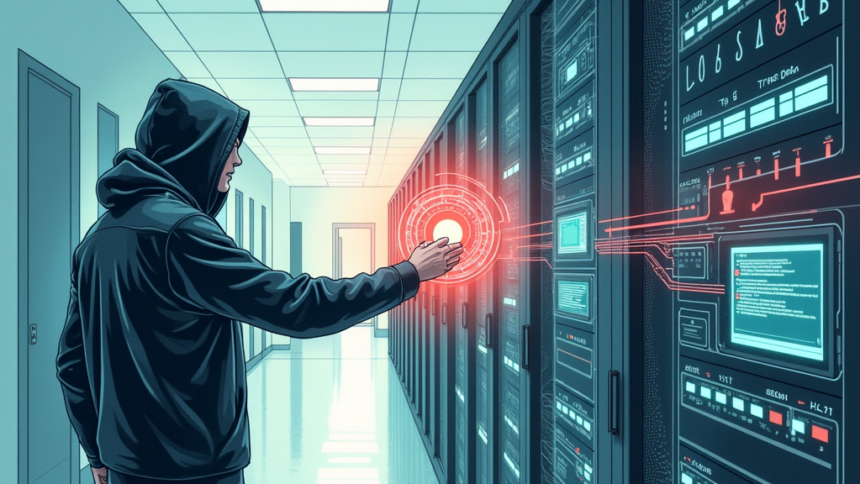
Deception technology is emerging as a powerful proactive defense for healthcare organizations facing sophisticated identity based attacks. By deploying fake assets, credentials, and network breadcrumbs, defenders can lure threat actors into monitored environments. This approach shifts the advantage from attacker to defender, exposing malicious activity early and diverting adversaries away from real patient data and critical systems.
Healthcare entities with limited budgets, often stuck below the cybersecurity poverty line, can benefit from these techniques. Even smaller providers can deploy decoys that mimic electronic health records or medical devices. The goal is not just detection but active disruption of the attack lifecycle before data exfiltration or ransomware deployment occurs.
Key Techniques: Microsegmentation, Automated Response, and Predictive Analysis
Advanced cybersecurity strategies for healthcare combine deception with microsegmentation and automated response. Microsegmentation isolates network traffic so that even if credentials are stolen, lateral movement is blocked. Automated response systems can instantly quarantine compromised endpoints or trigger deceptive countermeasures when an intrusion is detected.
Predictive threat analysis powered by artificial intelligence further strengthens defenses. AI models analyze behavioral patterns to forecast attack vectors. When deception technology is integrated with these analytics, security teams receive validated alerts rather than overwhelming noise, enabling them to prioritize the most critical vulnerabilities first.
Impact and Scope Across Healthcare and Critical Infrastructure
The Defense Department’s updated cyber strategy emphasizes disrupting malicious actors and enhancing ally capabilities, particularly against threats to critical infrastructure. Healthcare is a prime example of critical infrastructure where deception technology can be applied. Insider threats, which have risen 44% in recent years, can also be mitigated through deceptive tactics that monitor both external attackers and internal bad actors.
Financial services have seen a 1,318% increase in ransomware, illustrating the urgent need for proactive defense across all sectors. Deception powered solutions are not limited to large enterprises. Any healthcare organization, from rural clinics to hospital networks, can deploy these techniques to fight cyber attacks at every stage, from pre breach reconnaissance to post breach lateral movement.
Source: Healthcareinfosecurity