


The Role of Deception in Modern Cybersecurity
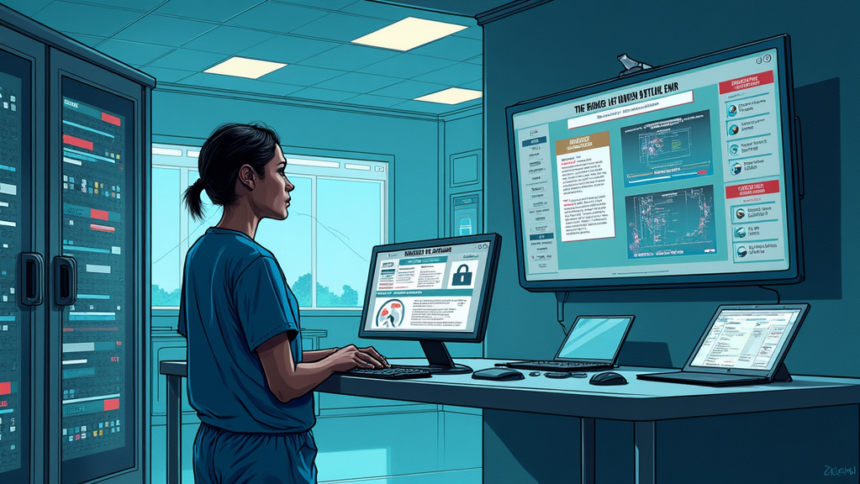
Deception technology has emerged as a powerful tool for organizations looking to gain an advantage over attackers. By creating realistic decoys and traps within a network, security teams can detect threat actors early in the attack lifecycle. This is especially critical in healthcare, where the density of sensitive data and legacy systems makes the sector a prime target. When an attacker interacts with a decoy asset, defenders receive an immediate alert, enabling them to respond before real damage occurs.
These techniques are not limited to high maturity organizations. Mid sized and even small healthcare providers can benefit from deploying deception based defenses. The core idea is to shift the advantage back to the defender by forcing attackers to waste time and resources while revealing their presence.
Predictive Analysis and Agentic Validation
Artificial intelligence and predictive threat analysis are being integrated with deception platforms to reduce alert fatigue. Rather than drowning in a sea of unverified findings, security teams can use AI to prioritize validated threats. This approach is increasingly necessary as the speed of vulnerability discovery accelerates. Tools like Anthropic’s Mythos demonstrate the need for agentic validation, where machines actively verify findings before escalating them.
In practical terms, this means healthcare organizations can focus on fixing what actually matters first. By combining predictive analytics with automated response and microsegmentation, defenders can contain breaches more quickly and reduce the blast radius of an attack.
The Broader Impact on Healthcare Security Posture
For healthcare entities, the stakes are uniquely high. A breach can disrupt patient care, lead to regulatory penalties, and erode trust. The adoption of active defense strategies, including deception and predictive threat analysis, helps healthcare organizations rise above the cybersecurity poverty line. Tools like those from Palo Alto Networks and Proofpoint’s acquisition of Illusive highlight the growing market for post breach defense capabilities.
As the Defense Department updates its cyber strategy to disrupt malicious actors and protect critical infrastructure, healthcare can learn from these approaches. The ultimate goal is to create a security posture that is proactive rather than reactive, using every tool available to protect patient data and operational continuity.
Source: Healthcareinfosecurity