


The Rise of AI Impersonation
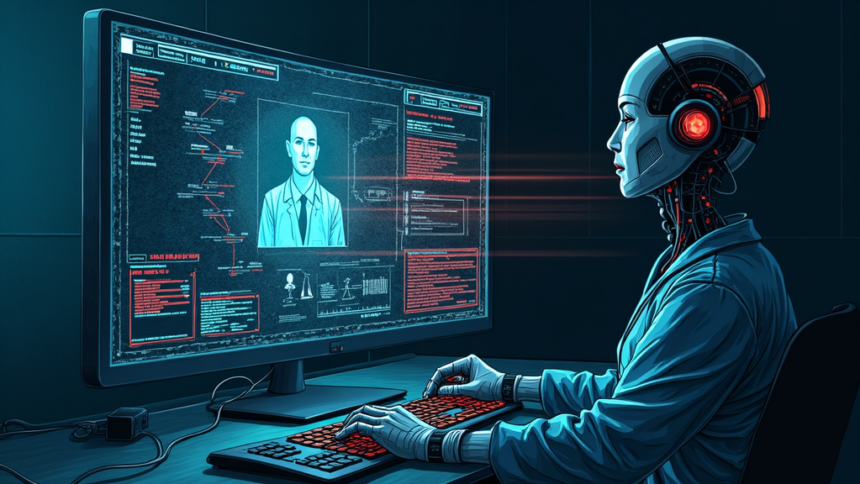
As organizations strengthen traditional security perimeters, attackers are shifting their focus to a softer target: identity. Artificial intelligence has enabled a new class of impersonation attacks that are nearly impossible to detect by human judgment alone. Deepfake audio, video, and text are being used to convincingly mimic executives, IT staff, and even external partners. This marks an escalation in the ongoing arms race between security teams and adversaries.
High Risk Workflows Under Siege
Attackers are exploiting moments of high trust and urgency throughout the workforce lifecycle. Onboarding processes, privilege escalation requests, credential recovery, and access approvals have become prime targets. The rise of crime as a service ecosystems means that even low skilled attackers can launch sophisticated impersonation campaigns at scale. Security leaders must rethink their approach to identity protection, moving beyond legacy systems to solutions that can detect behavioral anomalies and synthetic media in real time.
Building a Resilient Defense
To counter this threat, organizations need a multi layered risk management framework that embeds identity verification into every critical workflow. This includes adopting tools that analyze voice, video, and textual cues for signs of manipulation. Continuous monitoring and user education are essential, as is collaboration with standards bodies like NIST to develop updated guidelines. The goal is not just to detect impersonation but to prevent it from succeeding in the first place.
Source: Healthcareinfosecurity