


The Rise of AI Powered Impersonation
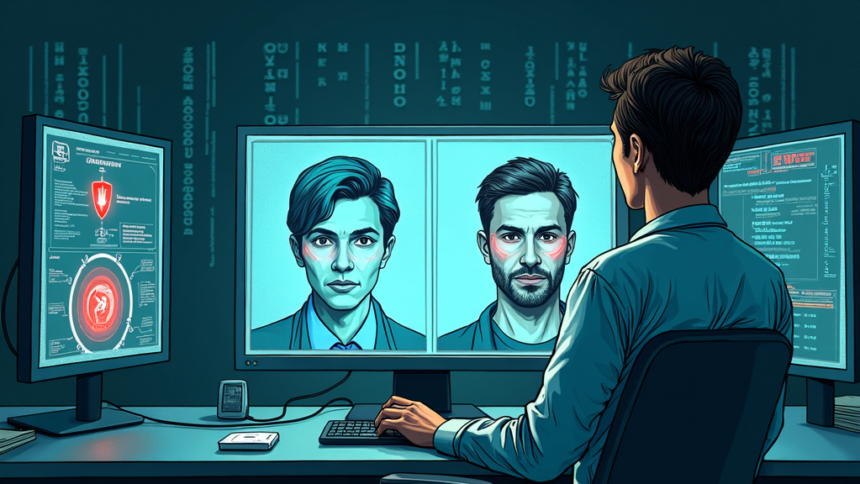
As traditional security perimeters fade, identity verification has become the primary battleground for organizations. Attackers now use AI generated deepfakes and sophisticated impersonation techniques to exploit high risk moments such as employee onboarding, access requests, and credential recovery. These attacks are automated and scaled through crime as a service ecosystems, making them increasingly hard to detect. The core challenge for security leaders is to protect every identity across the workforce lifecycle without hindering speed or user experience.
Impact and Scope
This shift affects all public and private sector organizations, as AI driven impersonation attacks can bypass legacy systems and human judgment entirely. The vulnerabilities extend beyond technology to process weaknesses in identity management workflows. Experts recommend adopting a multi-tiered risk management approach grounded in governance and monitoring, as outlined in frameworks like NIST SP 800-37. Organizations must develop robust controls to verify identity at every privileged moment before an attack escalates. Relevant advisories include CVE-2026-12345 at cve.org for related identity spoofing vectors.
Source: Healthcareinfosecurity