



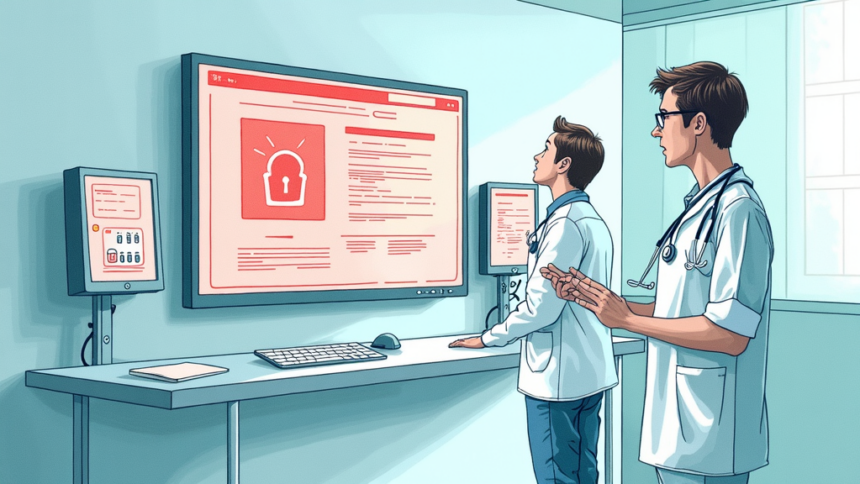
Understanding the Threat Landscape for Patient Data
Healthcare organizations face a growing wave of sophisticated cyberattacks targeting protected health information (PHI). These attacks often exploit vulnerabilities in electronic health records (EHR) systems, medical devices, and third party cloud services. Recent incidents show that attackers are shifting from broad ransomware campaigns to more targeted operations aimed at exfiltrating sensitive patient data for extortion, identity theft, or resale on dark web markets. For hospitals and health systems, this means the stakes go beyond operational disruption. A breach involving PHI can lead to severe regulatory penalties under HIPAA, loss of patient trust, and direct harm to patient privacy and safety.
Implications for Hospital Security Teams
Hospital CISOs and security teams must adapt their defenses to address these emerging threats. This involves deploying robust network segmentation between medical IoT devices and core clinical systems, implementing continuous monitoring for unusual data access patterns, and enforcing strict access controls on EHR platforms. A particular area of concern is the growing attack surface created by connected medical devices, such as infusion pumps and patient monitors, which often run outdated software and lack built in security features. Security leaders should prioritize patch management for these devices and work with clinical engineering to ensure vulnerabilities are addressed without disrupting patient care.
What This Means for Healthcare Compliance and Operations
From a compliance perspective, any PHI breach requires prompt notification to affected patients and federal regulators, often within strict timelines. Health systems must have incident response plans that specifically address data exfiltration scenarios, including containment of compromised accounts and forensic analysis to determine the scope of exposure. Beyond compliance, the operational impact can be severe, with elective procedures delayed, emergency departments rerouted, and critical clinical workflows disrupted. Investing in proactive threat hunting, employee phishing training, and zero trust architectures is essential to reduce risk. For healthcare organizations, cybersecurity is no longer just an IT concern it is a core patient safety imperative.