
Google’s TB screening AI reaches 4 kilometres underground
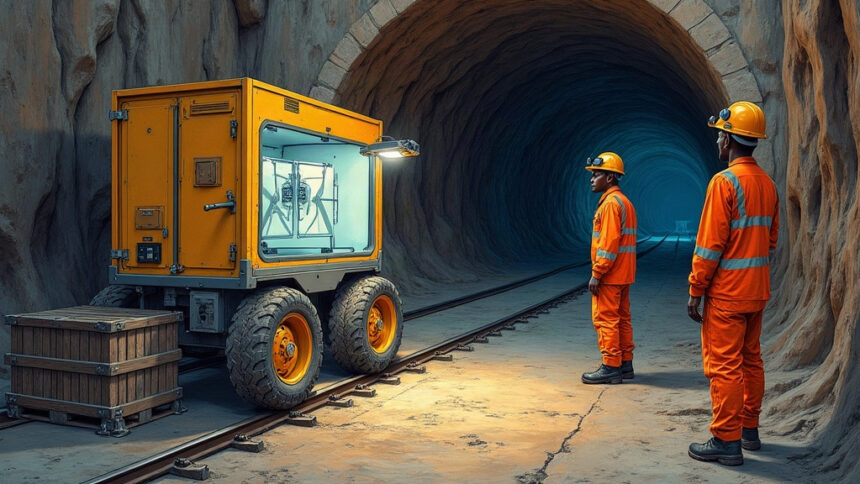
Google Research has taken chest X-ray screening AI to a place where no radiologist will ever commute: the Mponeng gold mine in South Africa, roughly 4 kilometres below the surface.
The 23 October research report describes how the company worked with the Stop TB Partnership, Harmony Gold and South Africa’s Department of Health to screen miners on site. Ultra-portable digital X-ray units feed an offline version of the model, so a diagnosis does not depend on a network connection that does not exist at that depth.
Miners flagged by the system are referred for molecular testing rather than told they have tuberculosis. That distinction is central. A screening hit is a prompt to confirm, not a result.
The setting explains why Google bothered. Silica dust raises respiratory risk underground, and the trip from a deep shaft to a clinic can cost a working day or more. Moving imaging and triage into the shaft shortens the route from cough to laboratory.
Google frames the mine as one point on a longer research path, from early chest-radiograph models toward tools other health systems can adapt rather than a bespoke product for one employer.
The honest measure of success is not how many X-rays the algorithm reads. It is how many suspected cases actually reach confirmatory testing and treatment. Google has not published that number for Mponeng, and until it does the deployment stands as a promising use case rather than proof of impact.
For health systems weighing AI screening in low-connectivity settings, the design lesson is portable. Offline inference, ultra-portable hardware and a referral pathway matter as much as model accuracy.