
Eli Lilly’s TuneLab platform picked up two data-generation partners this week, closing part of the loop between AI predictions and bench results.
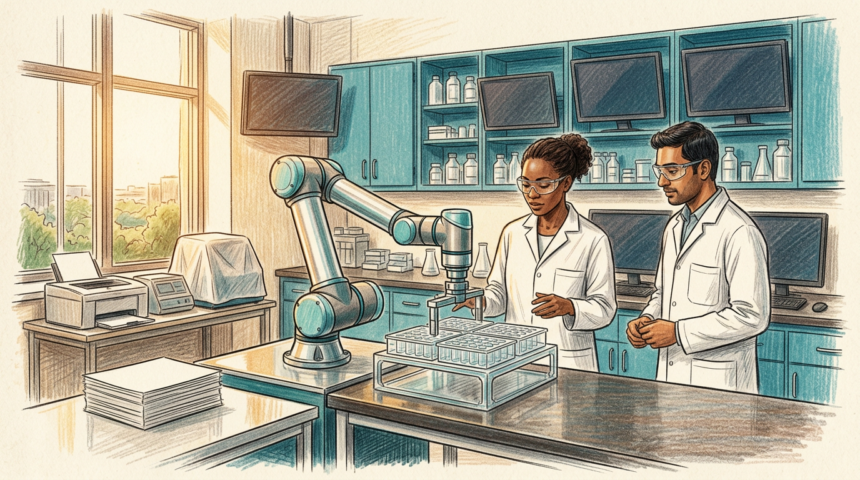
Ginkgo Bioworks joined through Ginkgo Datapoints, the unit that will generate discovery data for the network. Work includes antibody developability screening and small molecule ADME testing.
Twist Bioscience agreed to a parallel arrangement supplying antibody characterization data. Some of that output feeds AbLab, a model inside TuneLab that predicts how developable an antibody will be.
TuneLab exists because outside biotechs wanted the predictive models Lilly had trained on its own decades of research. Lilly opened the platform so they could query those models directly, then down-select molecules faster. The gap has been turnaround, because a prediction only helps when someone can test it quickly.
Two additions address that. Ginkgo says its screening hands back results already formatted for machine learning, ready to plug into TuneLab models. Twist lets customers order antibody work through TuneLab’s preferred protocols. Financial terms were not disclosed.
John Androsavich, general manager at Ginkgo Datapoints, described the pairing of automation and platform as a way to accelerate therapeutic development industry-wide.
Why it matters: much of the AI drug discovery pitch rests on models improving as they see more data. Lilly is building a supplier network for that raw material and paying in platform access rather than equity. For biotechs, the draw is the shorter path from a prediction to a validated assay.