Biohub, the biomedical nonprofit started by Mark Zuckerberg and Priscilla Chan, is pulling together $1.8 billion to fund open datasets for biological AI. Philanthropy, corporate research labs and federal agencies are all part of the total.
Back in April, Biohub itself directed $500 million at the program. Fresh money now arrives from three company funders putting in $300 million combined: Meta, Google DeepMind and Isomorphic Labs, an AI drug discovery startup. Federal commitments run separately, with the National Institutes of Health coordinating repositories assembled from more than $500 million in earlier funding that Biohub intends to standardize for AI training, and the Department of Energy pledging more than $500 million across five years toward laboratory measurement, modeling and computation.
Why cells need better data
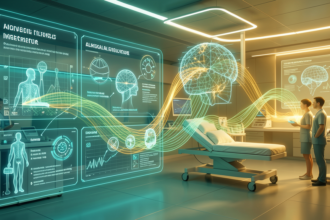
All of it sits beneath a program called the Virtual Biology Initiative. Its organizers want cellular responses measured under far more conditions than anyone has tested, then predictive models trained on what comes back.
The pitch boils down to one idea: biology has mostly moved forward through careful observation, and those behind the effort now want to add simulation.
Time is the payoff if it succeeds. Years are routinely spent narrowing drug candidates before any patient receives a dose, and a model that anticipates cellular behavior could shorten that early elimination stage.
Government agencies and company labs seldom pool data on this scale. The open question is whether the open-dataset premise holds up against competing commercial interests.