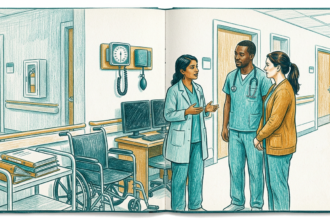

Cigna has not said which OpenAI models will sit behind its new clinical tools, how their answers will be checked, or what a nurse may act on without a physician. What the company has said is that oncology nurses and case managers go first, and that members living with complex conditions are the target.
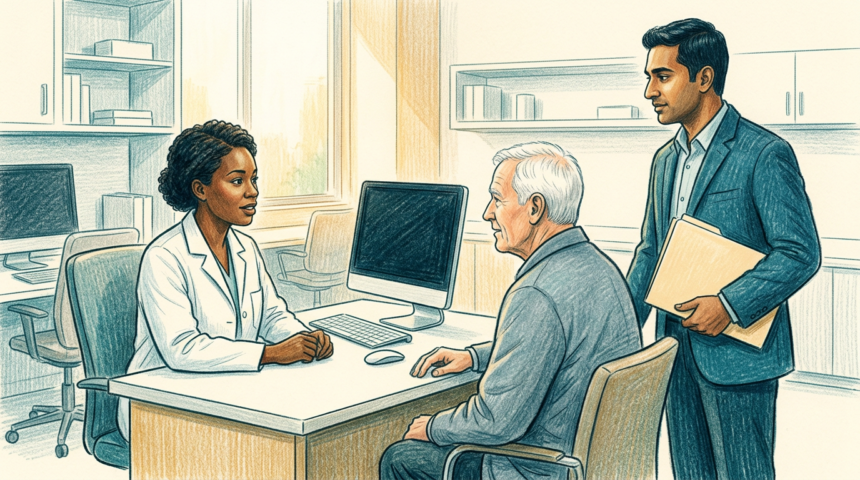
Those teams, drawn from Cigna Healthcare and Accredo, its specialty pharmacy, would see clinical, pharmacy, behavioral health and benefits information in a single view, the better to spot who needs an intervention and act on it. The tools also pull in what patients report themselves, including questions, side effects and personal preferences.
Katya Andresen, Cigna’s chief data, digital and AI officer, said the pairing combines model capability with the insurer’s own clinical knowledge and context.
The companies expect to extend the collaboration beyond cancer over time. Cigna has already put automation to work in its pharmacy arm, where the Pharmacy Forward program targets medication adherence and faster starts to treatment, and in personalized care management on the insurance side.
Why a payer putting models near nurses matters
Insurers have mostly aimed automation at claims and prior authorization, functions that touch money. Placing frontier models in front of nurses moves the technology closer to clinical judgment, where a wrong suggestion carries different consequences.
Whether that shortens the distance between a patient’s question and an answer will depend on how tightly the tools are wired into the workflows nurses already use.